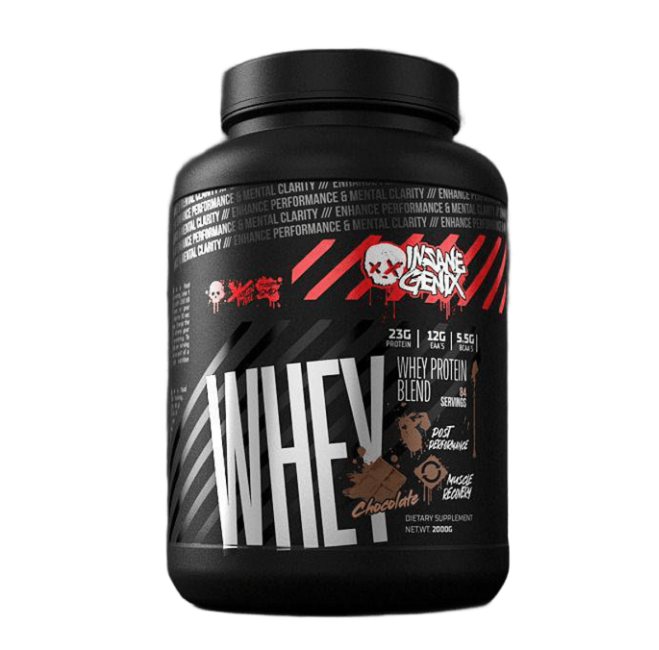
Pre Workout for Bodybuilding: A Professional Guide by InsaneGenix
Bodybuilding demands a different approach to supplementation than general fitness training — higher volume, greater metabolic stress, and phase-specific nutrition. This guide offers a professional, evidence-informed look at pre workout selection for bodybuilding, with insight into how InsaneGenix approaches formulation for serious training.
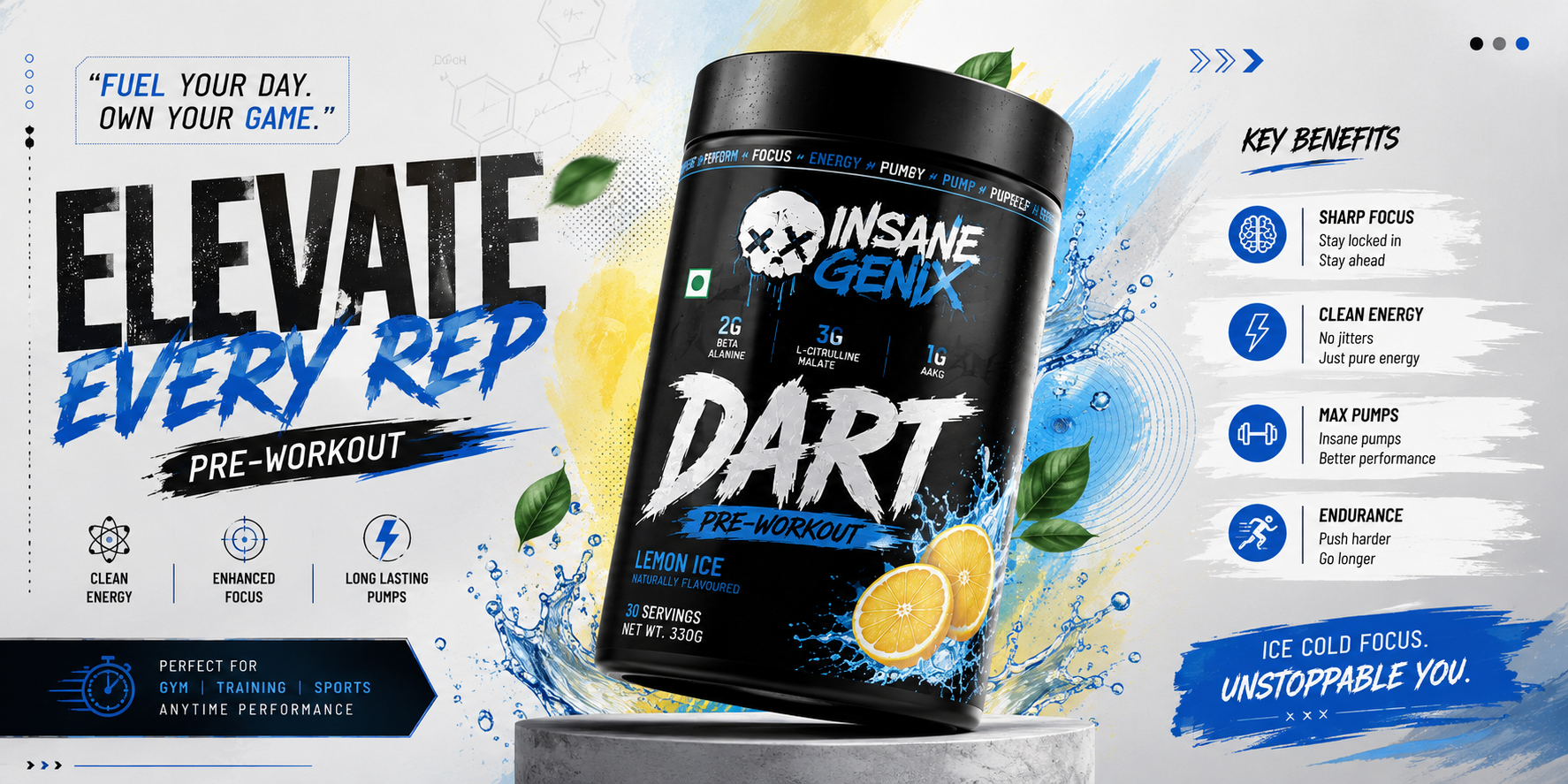
Bodybuilding, as a discipline, is defined by a distinct objective: the deliberate, progressive development of muscle mass through structured training volume, mechanical tension, and metabolic stress. This distinguishes it meaningfully from general strength training or recreational fitness, and it follows that supplementation strategy — particularly pre workout selection — should be approached with the same specificity applied to programming and nutrition.
InsaneGenix, a sports nutrition brand built around the principles of quality, transparency, and performance, has approached its product range with this distinction in mind. This guide examines the physiological demands of bodybuilding training, the ingredient categories most relevant to hypertrophy-focused work, and how a brand like InsaneGenix positions its formulations to support that goal.
Understanding the Physiological Demands of Bodybuilding
Bodybuilding training is characterized by several specific physiological demands that differentiate it from purely strength-oriented or endurance-oriented training:
High training volume — multiple sets per muscle group, frequently across several exercises targeting the same tissue from different angles. Extended time under tension — moderate rep ranges, typically between 8 and 15 repetitions, sustained across working sets to generate significant metabolic stress. Deliberate mind-muscle connection — controlled, focused contraction of the target muscle, often prioritized alongside, or even ahead of, absolute load moved. Frequent isolation work — single-joint exercises requiring sustained concentration and localized fatigue management.
These specific demands determine which ingredients are genuinely relevant to a bodybuilding-focused pre workout, as distinct from a formulation optimized purely for maximal strength output or cardiovascular performance.
Core Ingredients Relevant to Bodybuilding-Focused Training
Citrulline Malate
Given the emphasis on sustained pump and metabolic stress throughout a bodybuilding session, citrulline malate is among the most relevant ingredients in this context. It supports nitric oxide production and vasodilation, improving blood flow and nutrient delivery across extended, high-volume training. Clinically relevant dose: 6-8g per serving.
Beta-Alanine
Given the moderate-to-high rep ranges characteristic of hypertrophy training, beta-alanine's role in buffering intramuscular acid accumulation is directly applicable, supporting sustained output across multiple working sets per muscle group. Clinically relevant dose: 3.2-6.4g daily, noting that its benefit depends on consistent daily use rather than acute, workout-day-only dosing.
Caffeine
Supports the sustained focus required across a high-volume bodybuilding session, particularly relevant to the mind-muscle connection central to hypertrophy training. Effective dose: 150-250mg, adjusted according to individual tolerance and session length.
Creatine Monohydrate
While more commonly associated with strength performance, creatine also supports the repeated, moderate-to-high-intensity efforts characteristic of bodybuilding training, contributing meaningfully to total training volume capacity over time. Effective dose: 3-5g daily, independent of training days.
L-Arginine
A precursor in the nitric oxide production pathway, L-arginine is frequently included in bodybuilding-oriented formulations alongside citrulline to further support blood flow and vascularity during training.
Where InsaneGenix Fits Into This Framework
InsaneGenix offers a pre workout formulation, DART Extreme Pre-Workout, positioned within its broader catalog of strength and performance-oriented products, which also includes creatine monohydrate, L-arginine, and a whey protein range. For a bodybuilder structuring a supplementation approach around the ingredient categories outlined above, this kind of catalog structure is relevant for a practical reason: sourcing core ingredients — a pre workout, creatine, and a protein source — from a single, quality-focused brand simplifies both consistency of intake and quality assurance, compared to combining products from multiple, less transparent sources.
InsaneGenix positions its formulation approach around three stated priorities — premium ingredients, strength support, and recovery focus — which aligns directly with the training demands discussed above: a bodybuilder requires sustained energy and blood flow during a session (pre workout), consistent daily strength support (creatine), and adequate recovery input (protein and recovery-focused products) across a structured training week.
Bulking Phase Considerations
During a caloric surplus, or "bulking" phase, the primary training objective is maximizing training volume and progressive overload to support muscle accretion. Pre workout selection during this phase should prioritize:
Adequate citrulline malate dosing to support the higher training volumes typically programmed during a surplus Consistent creatine supplementation to support strength progression alongside hypertrophy work Caffeine tolerance management, given that surplus-phase training frequently involves higher total weekly volume and more frequent sessions, increasing the risk of stimulant overuse if intake isn't monitored
Cutting Phase Considerations
During a caloric deficit, several physiological changes warrant specific adjustments to pre workout strategy:
Increased stimulant sensitivity. Caloric restriction is frequently associated with heightened sensitivity to caffeine, meaning doses well-tolerated during a surplus phase may produce more pronounced side effects — including anxiety, elevated heart rate, and sleep disruption — during a deficit. Reduced glycogen availability. Lower carbohydrate intake during cutting phases can reduce the visual and functional benefit of pump-focused ingredients, since muscle glycogen and associated water retention contribute meaningfully to pump. Elevated perceived fatigue. Prolonged caloric restriction is associated with increased perceived exertion, making a well-formulated, moderate-stimulant pre workout comparatively more valuable during this phase than an extreme, high-stimulant option.
Application Across a Bodybuilding Training Split
Bodybuilding programming typically follows a structured split (push/pull/legs, or body-part-focused splits), and pre workout application can reasonably be adjusted according to the specific demands of each session:
Leg Sessions — given the high metabolic demand and substantial muscle mass involved, prioritizing citrulline malate and beta-alanine content is particularly relevant to sustaining output across multiple high-volume exercises.
Push/Pull (Upper Body) Sessions — a balanced formulation supporting both focus (via caffeine) and sustained pump (via citrulline and arginine) is generally well-suited to the moderate-to-high volume characteristic of these sessions.
Isolation-Focused Sessions — sessions emphasizing single-joint movements and deliberate mind-muscle connection benefit particularly from a formulation that supports sustained, controlled focus without excessive overstimulation, which can otherwise detract from the deliberate execution these sessions require.
Common Application Errors in a Bodybuilding Context
Prioritizing high-stimulant formulations over pump-supporting ingredients, despite hypertrophy-focused training benefiting more substantially from the latter. Inconsistent creatine and beta-alanine use, given that both ingredients require daily, consistent dosing to reach and maintain their ergogenic saturation point, rather than being effective on an acute, pre-workout-only basis. Failing to adjust stimulant dosing during caloric deficit phases, resulting in disproportionate side effects relative to the training benefit obtained. Sourcing individual ingredients from multiple, inconsistent brands, which introduces variability in quality and dosing accuracy that a single, transparent-label product line avoids.
Non-Supplement Factors Influencing Bodybuilding Outcomes
While an appropriately selected pre workout can meaningfully support training output, several factors exert considerably greater influence on long-term hypertrophy outcomes:
Progressive overload, applied consistently across a structured training program Total weekly training volume, appropriately distributed across muscle groups Protein intake, generally recommended in the range of 1.6-2.2g per kilogram of bodyweight for individuals engaged in resistance training Recovery and sleep quality, both of which directly affect training capacity and hypertrophic adaptation
Pre workout supplementation, including products such as InsaneGenix's DART Extreme Pre-Workout, should be regarded as a supporting element within this broader framework — a tool to enhance a well-structured training and nutrition plan, rather than a substitute for it.
Populations Requiring Caution
The following individuals should exercise particular caution, and are generally advised to consult a physician prior to using stimulant-containing pre workout supplementation:
Individuals with cardiovascular conditions or uncontrolled hypertension
Pregnant or breastfeeding individuals
Individuals under the age of 18
Individuals with pre-existing anxiety disorders or documented caffeine sensitivity
Individuals concurrently using other stimulant-containing products
Concluding Remarks
Pre workout selection for bodybuilding should be approached with the same specificity applied to programming and nutrition — accounting for training volume, phase (bulking, cutting, or maintenance), and the particular demands of a given session. Ingredients such as citrulline malate, beta-alanine, creatine monohydrate, and L-arginine offer the most direct, evidence-supported relevance to hypertrophy-focused training. Brands such as InsaneGenix, which structure their catalog around these same performance-support and recovery priorities, offer bodybuilders a practical way to source these core ingredients consistently and with transparent labeling — an important consideration for anyone building a long-term supplementation strategy around serious, structured training.
View more blogs
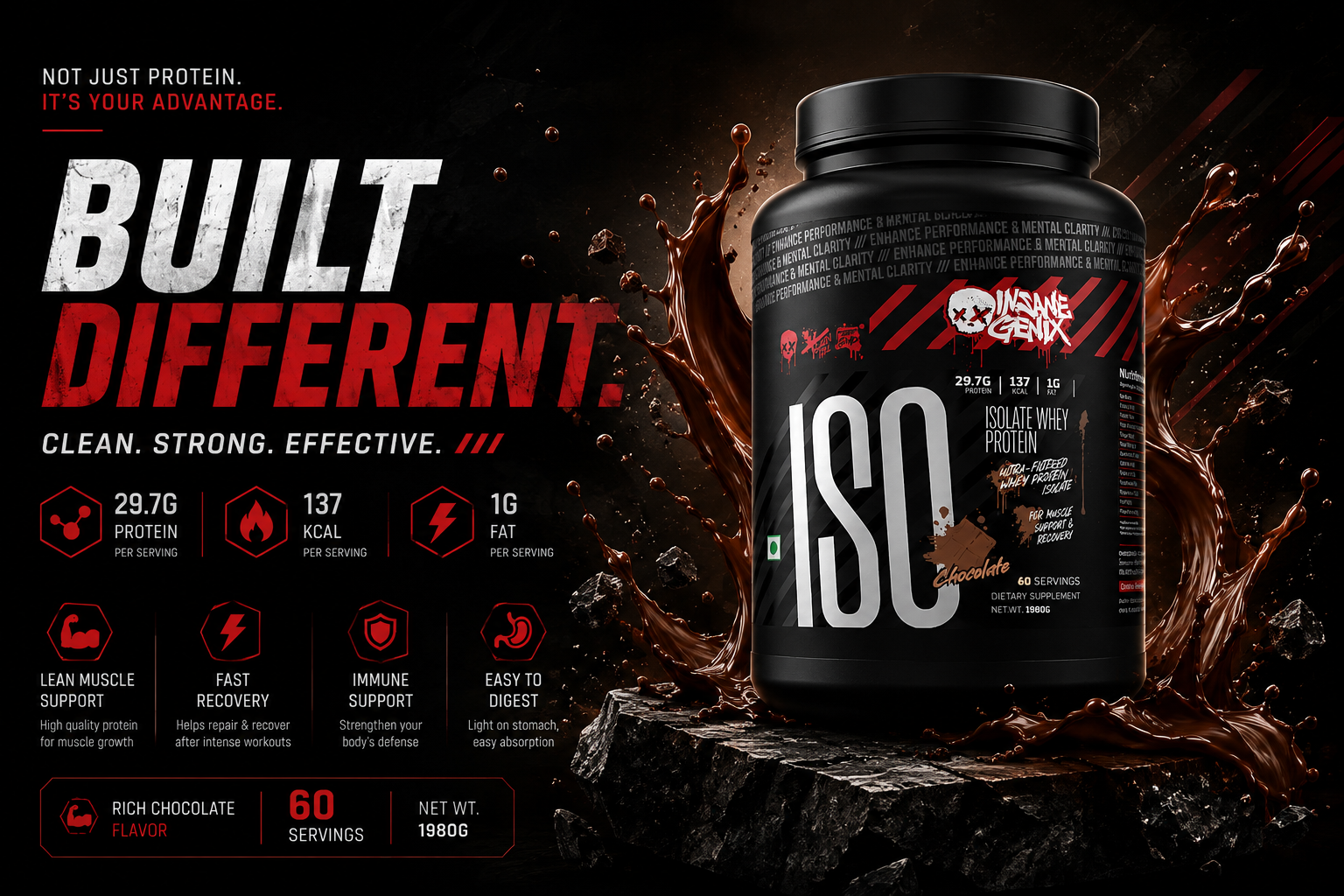
Imported" Isn't a Quality Standard. Here's What Actually Is.
The word "imported" sells a lot of protein tubs, but it rarely tells you what's actually inside. Here's a practical breakdown of what separates genuinely high-quality whey protein from clever labeling, and how InsaneGenix's ISO Isolate stacks up against that standard.
Read article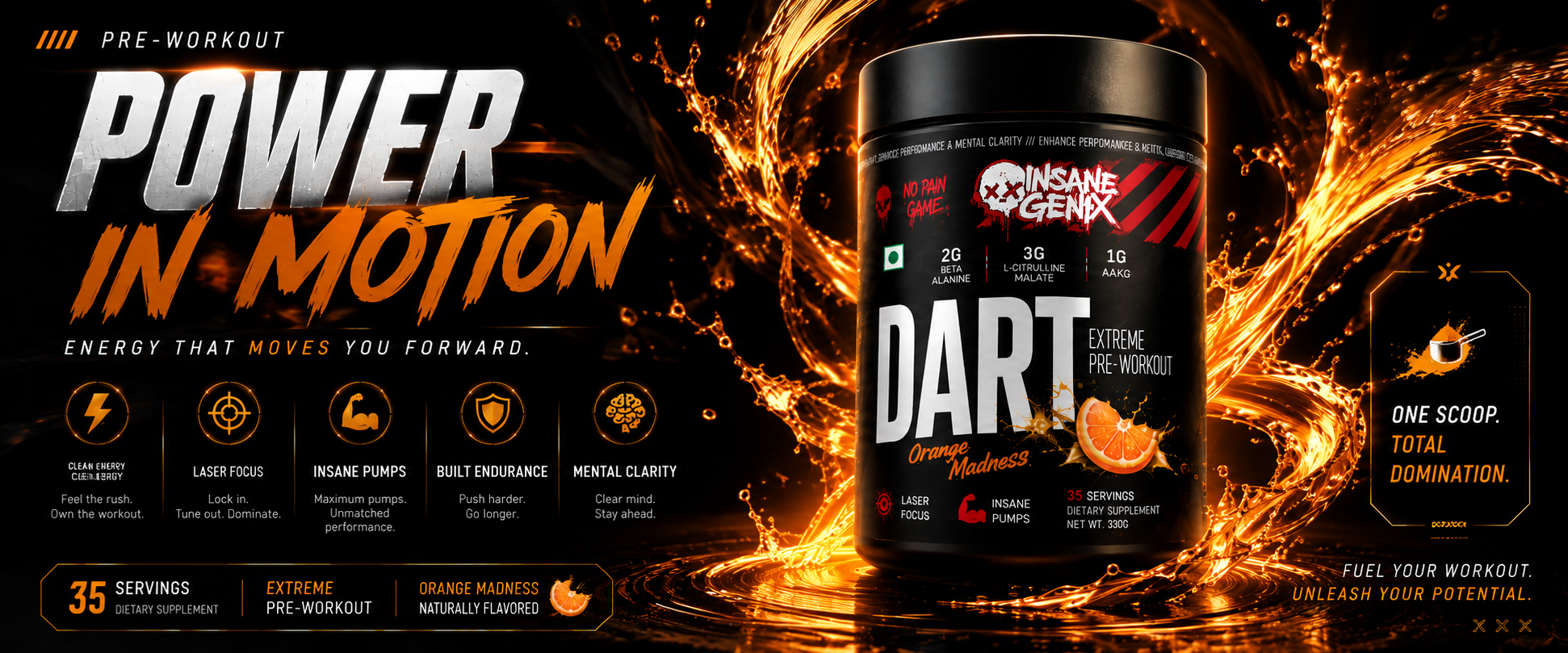
Coffee, Energy Drinks, or a Real Gym Supplement — What Actually Works?
Not every energy boost is created equal, and your gym bag probably has proof of that somewhere in the back. Here's a straight-talking look at what actually fuels a good workout, and why InsaneGenix's DART Extreme keeps showing up in gym bags across serious lifters.
Read article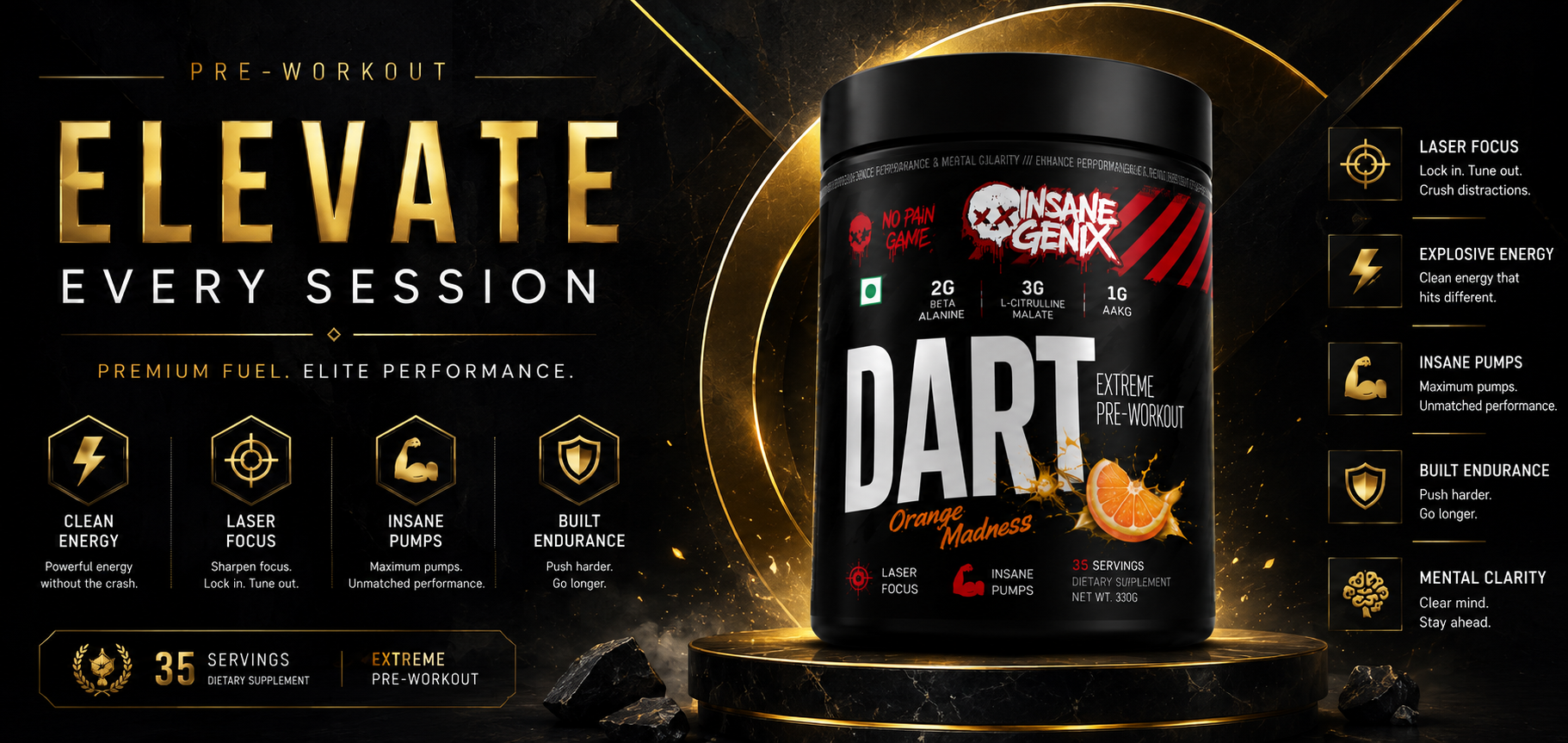
What Should You Actually Take Before Hitting the Gym?
What you take before stepping into the gym can quietly decide how the next hour plays out. Here's a no-fluff look at pre workout timing, ingredients, and why InsaneGenix's DART Extreme fits neatly into a daily gym routine.
Read article