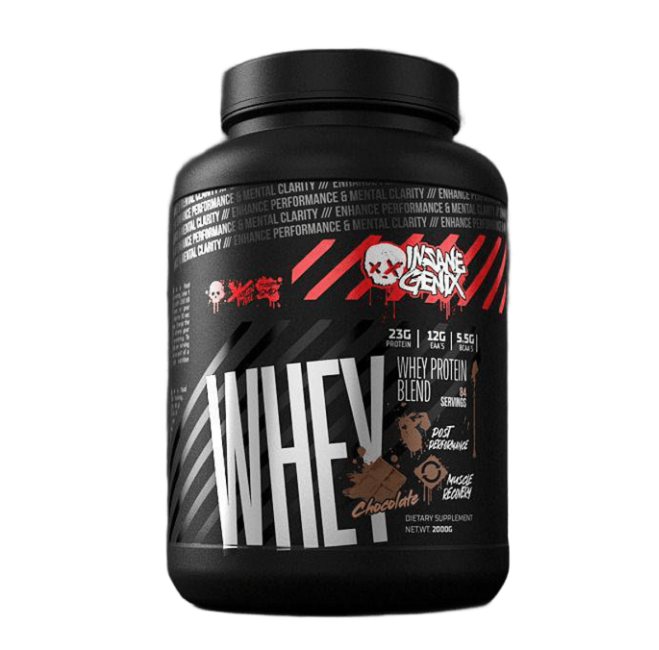
Pre Workout for Energy: Understanding Spikes, Crashes, and What Actually Keeps You Going
Some pre workouts hit hard and fade fast, others build slowly and last the whole session. If you've ever wondered why your energy feels different from one pre workout to another, this guide breaks down the real reason — and how to choose one that matches the kind of energy you actually need.
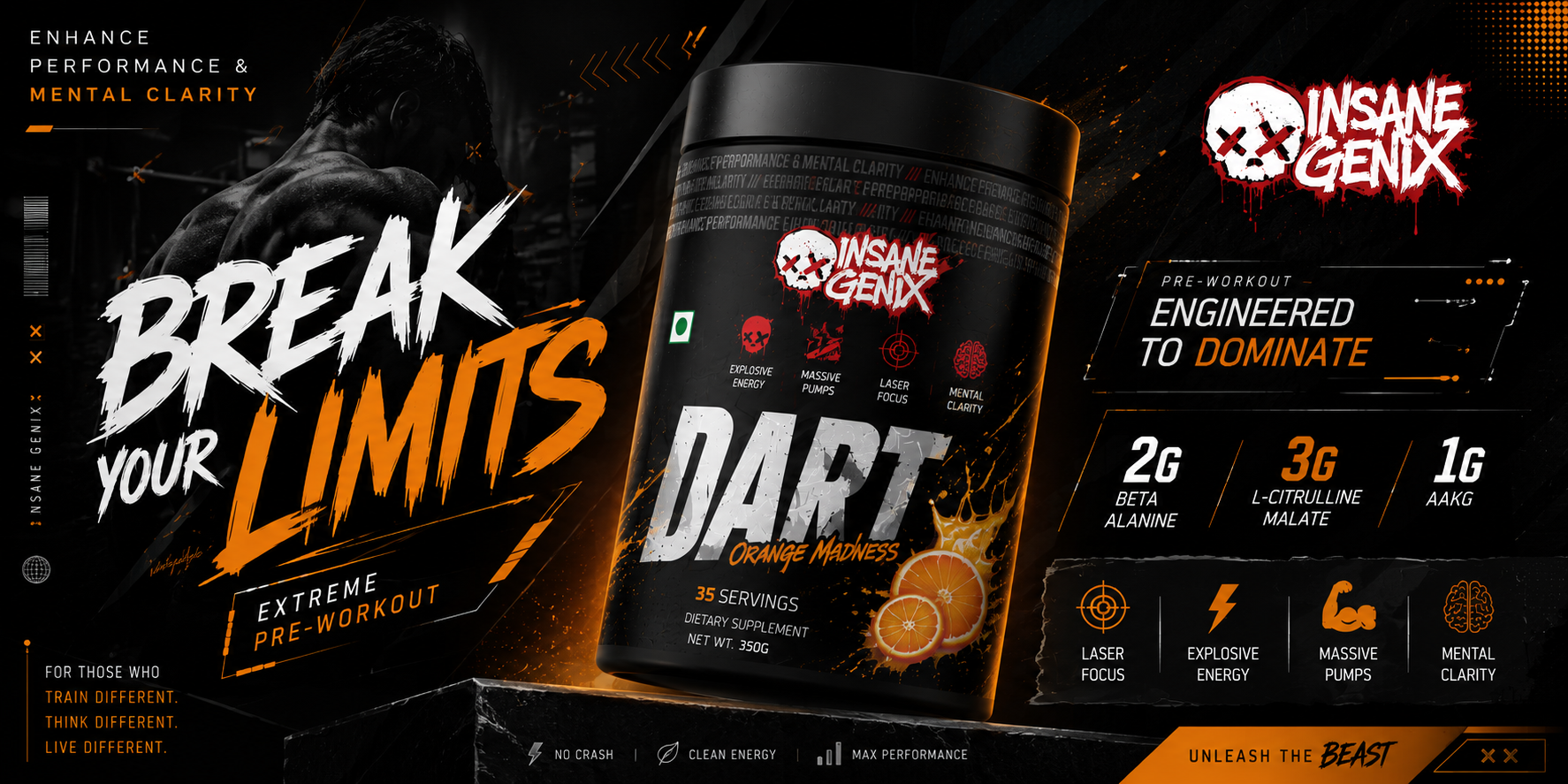
You've probably felt this before — you take a pre workout, feel amazing for the first 20 minutes, and then somewhere around set three of your second exercise, the energy just... disappears. Or the opposite happens: you take one, wait, and feel almost nothing at all. Both experiences come down to the same thing: not every "pre workout for energy" produces energy the same way.
This guide looks at why that happens — the actual shape of the energy curve different formulas produce — so you can choose a pre workout based on the kind of energy you actually need, not just how strong the smell is when you open the tub.
Why You Feel Low Energy Before a Workout in the First Place
Before getting into pre workout itself, it helps to understand where that "I have nothing left" feeling actually comes from:
Blood sugar dips — if it's been several hours since your last meal, low blood glucose can leave you feeling flat before you've even started. Mental fatigue — a long work day drains cognitive energy differently than physical energy, and this is often what actually stops people from training, not muscular tiredness. Sleep debt — poor or short sleep the night before reduces both physical output and motivation the next day. Caffeine tolerance — if you're a regular coffee or energy drink drinker, your baseline stimulant response is already blunted before you even take a pre workout.
Recognizing which of these is actually causing your low energy changes what kind of pre workout will actually help — more on that below.
The "Energy Curve": Why Some Pre Workouts Spike and Crash
Not all sources of energy in a pre workout behave the same way once they're in your system. Broadly, they fall into two patterns:
Fast-Spike Energy Ingredients like high-dose caffeine and certain stimulant blends act quickly — often within 15-20 minutes — and create a strong, noticeable lift. The downside: what goes up fast often comes down fast too, leading to the mid-workout crash many people describe.
Sustained Energy Ingredients like L-theanine (paired with caffeine), moderate-dose citrulline (via improved blood flow), and B-vitamins tend to support energy more gradually and evenly, without the sharp drop-off. This is generally the better pattern for longer sessions — 60+ minute workouts, or anything involving cardio.
A pre workout heavy on a single high-dose stimulant with nothing to smooth it out will almost always feel like a rollercoaster. A pre workout for energy that blends a stimulant with theanine, citrulline, and B-vitamins tends to produce a flatter, more sustained curve — energy that's still there in your last set, not just your first.
Physical Energy vs Mental Energy vs Motivation
Here's something most pre workout marketing glosses over: "energy" isn't one single thing. There are actually three distinct types, and different ingredients target each one.
Physical Energy — the ability of your muscles to keep producing force Supported by: creatine, citrulline malate, adequate blood flow
Mental Energy / Focus — the ability to stay locked in and push through discomfort Supported by: caffeine, L-theanine, tyrosine
Motivation — the psychological "want to" that gets you to actually start the set Supported by: caffeine (via dopamine-related pathways) and, frankly, just having a pre-workout ritual you associate with training
If you're someone who has the physical energy but struggles to feel motivated to start, a formula leaning more on caffeine and focus ingredients will help more than one loaded with creatine. If you feel mentally sharp but physically flat by your second exercise, citrulline and creatine matter more than another stimulant hit.
Pre Workout vs Other Energy Sources: A Quick Comparison
Source Energy Type Duration Crash Risk
Coffee Mental/alertness only Moderate Moderate-High
Energy Drinks Mental + sugar spike Short High
Banana / Whole Food Physical (blood sugar) Short-Moderate Low
Balanced Pre Workout Physical + Mental Long Low-Moderate
High-Stim-Only Pre Workout Mental only Short High
This is really the core insight: a pre workout for energy built around only one high-dose stimulant behaves a lot like an energy drink — a strong spike followed by a real dip. A more balanced formula, even with a slightly lower caffeine dose, tends to hold energy steadier across an entire session.
How to Pick a Pre Workout Based on the Energy You Need
If your workouts are short and intense (under 30 minutes): A moderate caffeine spike (150-200mg) is usually fine, since the session ends before any crash would set in.
If your workouts run 45-60+ minutes: Prioritize a formula with theanine, citrulline, and a moderate (not maximal) caffeine dose — this avoids the mid-session crash that a high-stim-only formula tends to cause.
If you already drink coffee daily: Your baseline caffeine response is likely blunted, so a pre workout for energy heavy only on caffeine may do less for you than one that also includes non-stimulant energy support like citrulline and creatine.
If your issue is mental fatigue, not physical: Look for theanine and tyrosine alongside caffeine — these target focus and mental clarity specifically, rather than just raw stimulation.
Avoiding the Energy Crash
A few practical steps reduce crash risk regardless of which pre workout you use:
Don't exceed the labeled caffeine dose — more doesn't mean a longer high, it usually just means a harder drop later. Pair it with a small carbohydrate source if your workout is long, since blood sugar dips contribute to the crash feeling as much as caffeine metabolism does. Stay hydrated — dehydration alone can mimic or worsen a sense of flagging energy mid-session. Don't rely on it daily — using a high-stim pre workout every single day builds tolerance, meaning you need more just to get back to your old baseline energy, which sets up a cycle of bigger spikes and bigger crashes.
Who Should Be Cautious With Stimulant-Based Pre Workout for Energy
People with heart conditions or uncontrolled high blood pressure
Pregnant or breastfeeding individuals
Anyone under 18
Those already sensitive to caffeine, prone to anxiety, or dealing with poor sleep
For anyone in these categories, a stimulant-free pre workout — built around citrulline and creatine rather than caffeine — is a safer way to get a physical energy boost without the crash risk that comes with stimulants.
Final Thoughts
The real question isn't just "does this pre workout give me energy" — it's "what shape does that energy take, and does it last as long as my workout does?" A high-stimulant formula might feel powerful in the first few minutes, but if it fades by your second exercise, it's not actually solving the problem. Choosing a pre workout for energy that matches your workout length, your caffeine tolerance, and the specific type of tiredness you're dealing with makes a far bigger difference than just picking whichever tub promises the biggest buzz.
View more blogs
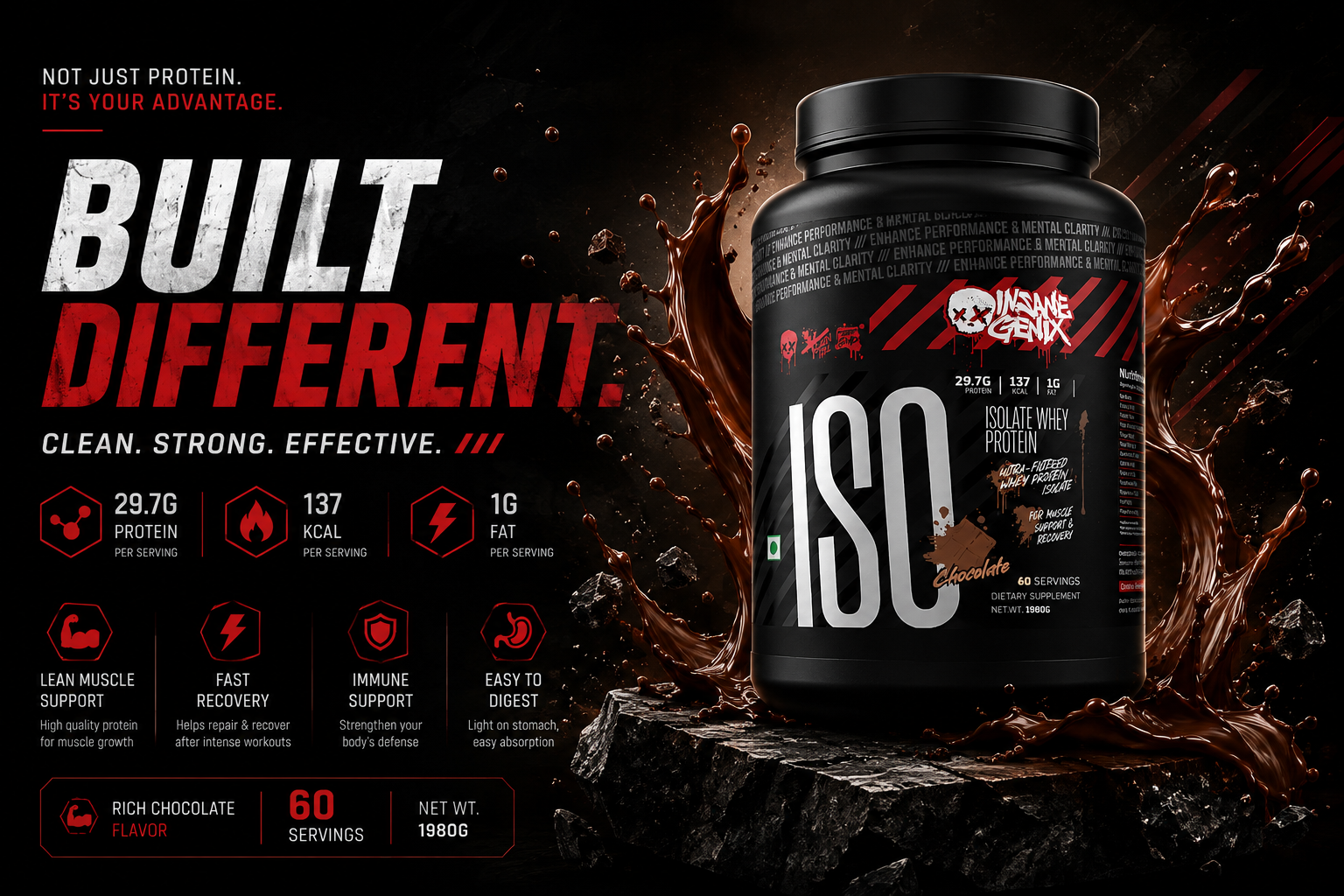
Imported" Isn't a Quality Standard. Here's What Actually Is.
The word "imported" sells a lot of protein tubs, but it rarely tells you what's actually inside. Here's a practical breakdown of what separates genuinely high-quality whey protein from clever labeling, and how InsaneGenix's ISO Isolate stacks up against that standard.
Read article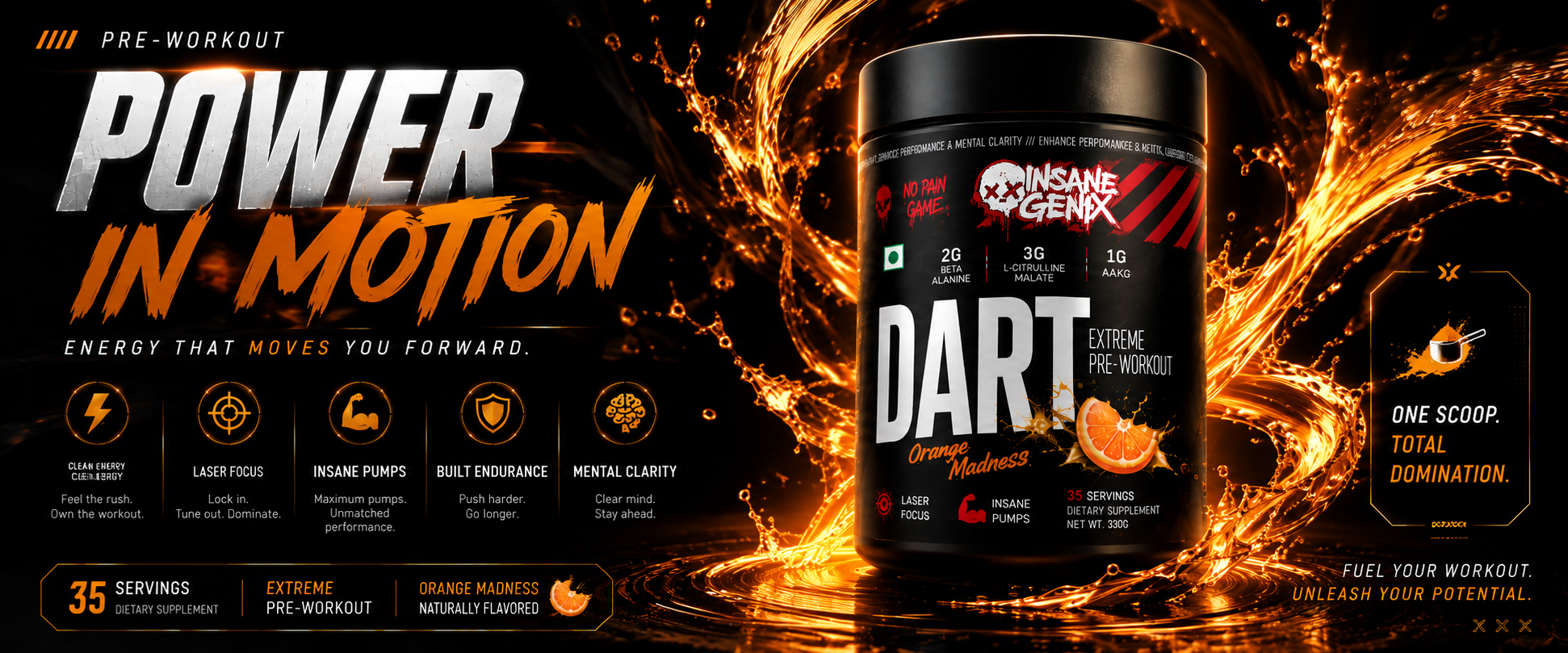
Coffee, Energy Drinks, or a Real Gym Supplement — What Actually Works?
Not every energy boost is created equal, and your gym bag probably has proof of that somewhere in the back. Here's a straight-talking look at what actually fuels a good workout, and why InsaneGenix's DART Extreme keeps showing up in gym bags across serious lifters.
Read article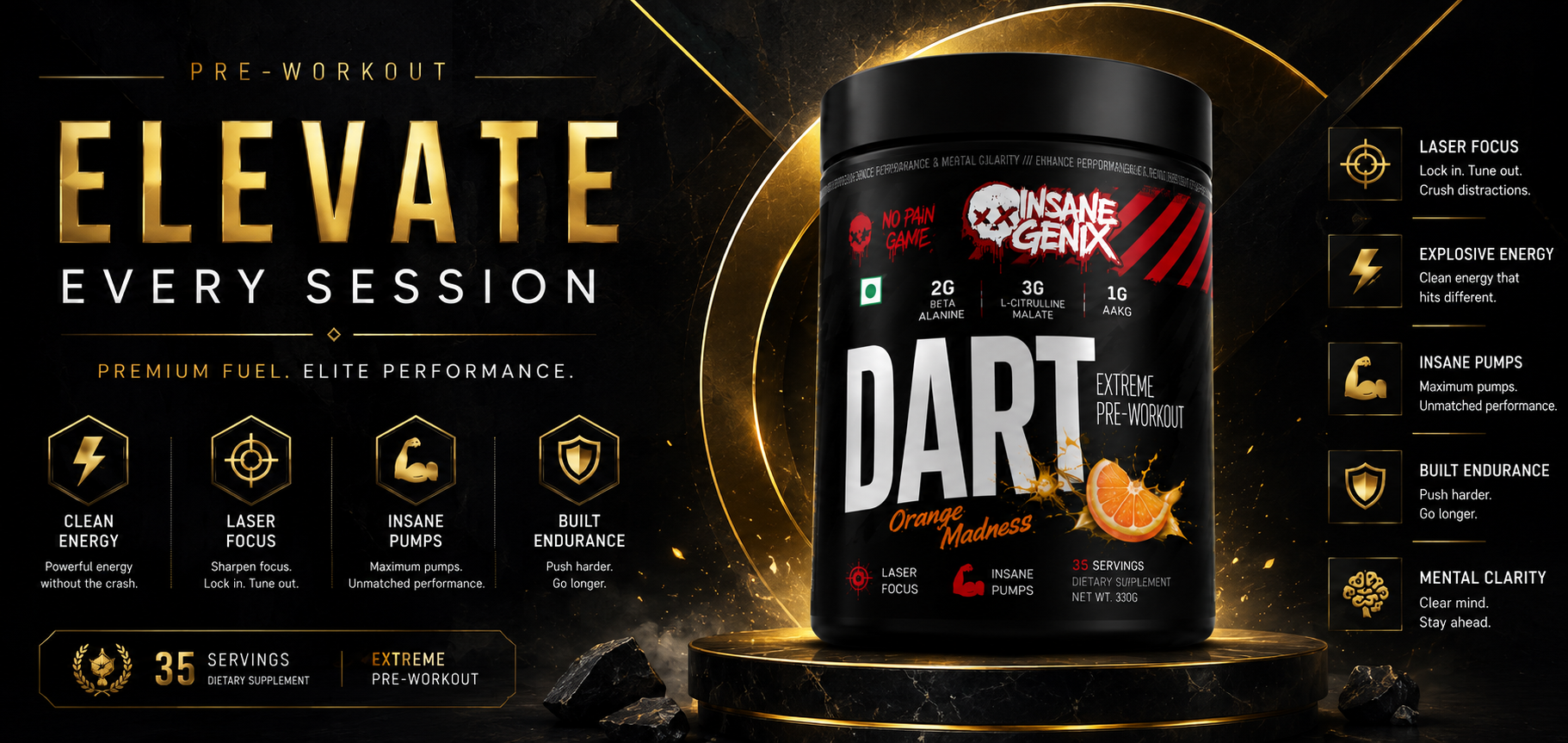
What Should You Actually Take Before Hitting the Gym?
What you take before stepping into the gym can quietly decide how the next hour plays out. Here's a no-fluff look at pre workout timing, ingredients, and why InsaneGenix's DART Extreme fits neatly into a daily gym routine.
Read article