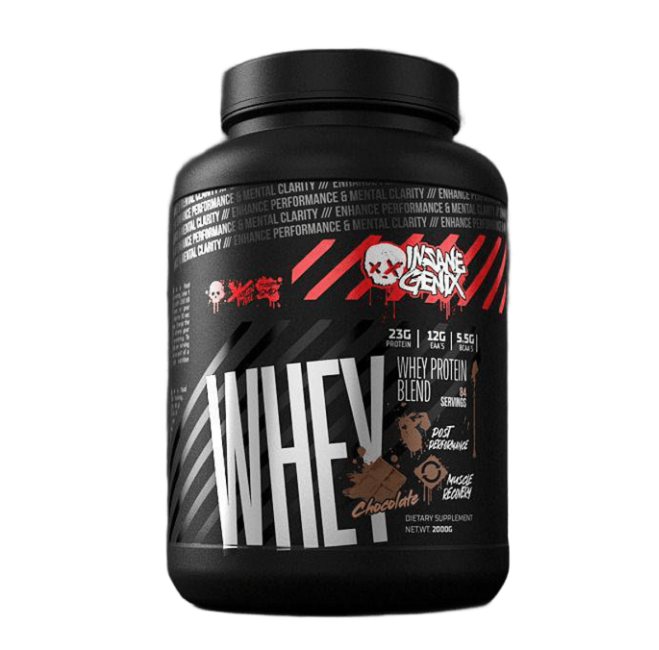
Pre Workout Powder: The Complete Guide to Benefits, Ingredients, Mixing Tips, and How to Choose the Right One for Your Workouts
Pre workout powder is the most popular and customizable way to fuel your training sessions. Here's a complete breakdown of how it works, what to look for on the label, how to mix and use it properly, and common mistakes to avoid.
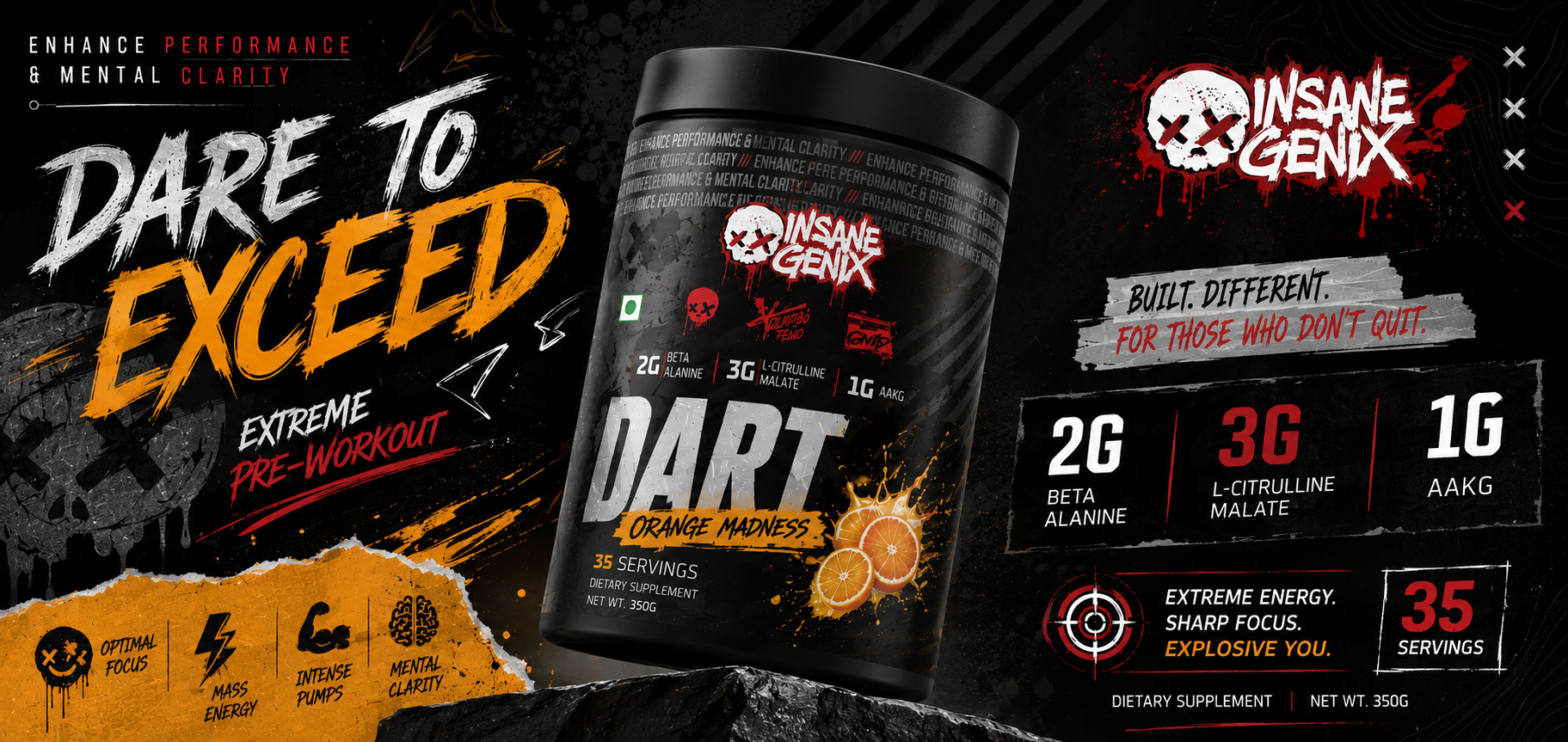
Walk into any gym locker room and you'll spot at least a few shaker bottles filled with a brightly colored, foamy drink — that's almost always pre workout powder. It remains the most popular format for pre workout supplements, and for good reason: it's customizable, fast-acting, and lets you fine-tune your dose in a way capsules simply can't match.
This guide covers everything about pre workout powder — how it works, what's actually in it, how to mix it correctly, and how to choose one that fits your training style.
What Is Pre Workout Powder?
Pre workout powder is a blend of performance-enhancing ingredients — typically including caffeine, amino acids, and other compounds — packaged in powdered form. You mix it with water (or sometimes milk) shortly before training, and it's absorbed quickly, which is one of the main reasons powder remains the preferred format over capsules for many lifters.
Unlike a single-ingredient product like caffeine pills, pre workout powder is formulated to hit multiple performance factors at once: energy, focus, blood flow, and endurance.
Why Powder Instead of Capsules or Liquid?
Pre workout comes in a few different forms, and each has its own advantages:
Powder
Easiest to adjust dosage (half scoop, full scoop, etc.)
Usually the most cost-effective per serving
Faster absorption than capsules since it's already dissolved
Available in a wide range of flavors
Capsules
Convenient for travel, no mixing required
Harder to adjust dosage precisely
No flavor to worry about, useful for people sensitive to taste
Liquid / Effervescent
Fastest absorption of all formats
Often gentler on the stomach
Usually more expensive per serving
For most regular gym-goers, pre workout powder hits the sweet spot between cost, flexibility, and effectiveness — which is why it dominates the market.
How Pre Workout Powder Works in the Body
When you mix and drink pre workout powder, the ingredients are absorbed through the digestive system and start taking effect within 20-30 minutes. Here's what happens with the core ingredients:
Caffeine crosses into the bloodstream and reaches the brain, blocking adenosine receptors — the mechanism responsible for that alert, "switched on" feeling. Citrulline gets converted to arginine in the body, which boosts nitric oxide production and widens blood vessels, improving blood flow to working muscles. Beta-alanine raises carnosine levels in muscle tissue, helping buffer the acid buildup that causes that burning sensation during high-rep sets. Creatine (when included) increases phosphocreatine stores, supporting short, explosive efforts like heavy lifts or sprints.
This is why a well-formulated pre workout powder feels noticeably different from just drinking coffee — it's targeting several performance pathways simultaneously, not just one.
Key Ingredients to Check on a Pre Workout Powder Label
Before buying any tub of pre workout powder, check for these ingredients and their effective dosage ranges:
Ingredient Purpose Typical Effective Dose
Caffeine Energy, alertness 100–200mg
Citrulline Malate Blood flow, pump 6–8g
Beta-Alanine Endurance, delayed fatigue 2–5g
Creatine Monohydrate Strength, power 3–5g
L-Theanine Reduces jitters from caffeine 100–200mg
Taurine Supports focus and hydration 500mg–2g
If a pre workout powder's label simply lists a "proprietary blend" total weight without breaking down individual ingredient amounts, that's a sign the formula may be underdosed on the ingredients that actually matter.
How to Mix Pre Workout Powder Correctly
Getting the mixing right actually matters more than most people realize:
Use cold water. Warm water tends to make certain ingredients clump and can slightly alter taste. Follow the recommended water volume on the label — usually 200-300ml. Too little water makes it overly concentrated and harsh on the stomach; too much dilutes the flavor. Shake, don't stir. A proper shaker bottle with a mixing ball breaks up clumps far better than a spoon. Let it sit for a minute if it's foamy — this settles the foam and makes it easier to drink in one go. Drink it within 10-15 minutes of mixing for the freshest taste and to avoid ingredient settling at the bottom.
Common Mistakes People Make With Pre Workout Powder
Scooping more than the labeled serving thinking it'll give a stronger effect — this mostly just increases side effects like jitters and stomach discomfort. Mixing it too far in advance. Some ingredients can degrade or separate if left sitting for long periods before drinking. Taking it on a completely empty stomach when sensitive to caffeine, leading to nausea or lightheadedness. Storing it improperly. Pre workout powder should be kept in a cool, dry place with the lid tightly sealed — humidity can cause clumping and reduce shelf life. Combining multiple stimulant products (powder plus energy drinks or fat burners) on the same day, pushing total caffeine intake to unsafe levels.
Choosing the Right Pre Workout Powder for Your Goals
Different training goals call for different formulas:
For Strength and Power Training Look for powders with a solid creatine and citrulline dose — these support both explosive strength and better pump during heavy lifts.
For Endurance and High-Rep Training Prioritize beta-alanine content, since it directly helps delay the fatigue that builds up during longer or high-volume sets.
For Focus-Driven Training (like sports-specific work) Look for powders that include L-theanine or tyrosine alongside caffeine, since these support mental clarity without excessive stimulation.
For Night Training or Caffeine Sensitivity Choose a stimulant-free pre workout powder, built around pump and endurance ingredients without any caffeine at all.
Flavor and Mixability — Does It Actually Matter?
It might seem like a minor detail, but flavor and mixability affect whether you'll actually stick to using it consistently. A gritty, chalky powder that clumps at the bottom of your shaker is far less enjoyable to drink pre-training than a smooth, well-mixing one — and consistency matters more for results than any single ingredient. When comparing pre workout powders, checking user reviews specifically for "mixability" is worth the extra few minutes.
How to Use Pre Workout Powder Safely
Take it 20-30 minutes before training. Start with half a scoop if you're new to it, to gauge your tolerance before moving to a full serving. Avoid taking it within 5-6 hours of bedtime if it contains caffeine. Stay hydrated throughout your workout — several ingredients have a mild diuretic effect. Don't use it daily without breaks — cycling use (for example, only on heavier training days) helps prevent building a high caffeine tolerance.
Who Should Be Cautious With Pre Workout Powder
People with heart conditions or uncontrolled high blood pressure
Pregnant or breastfeeding individuals
Anyone under 18
Those with caffeine sensitivity, anxiety, or sleep issues
People already consuming multiple caffeinated products throughout the day
If any of these apply to you, check with a doctor before adding pre workout powder to your routine.
Pre Workout Powder vs Just Drinking Coffee
This comparison comes up often, and it's a fair question. Coffee provides caffeine and little else. A well-formulated pre workout powder combines caffeine with ingredients that address blood flow, endurance, and focus all at once — offering a broader performance boost than caffeine alone could provide. That said, if your only goal is a mild energy lift for a light session, coffee can be a perfectly reasonable, cheaper alternative.
Final Thoughts
Pre workout powder remains one of the most flexible and widely used supplement formats for a reason — it lets you control your dose, mix it exactly how you like, and get a fast-acting boost before training. The key to getting real value from it isn't chasing the flashiest branding, but checking the label for transparent, well-dosed ingredients that match your specific training goals.
Used correctly — at the right dose, at the right time, alongside good sleep and consistent training — pre workout powder can be a genuinely useful tool in your routine. Used carelessly, it's just an expensive way to feel jittery. The difference lies entirely in how you choose and use it.
View more blogs
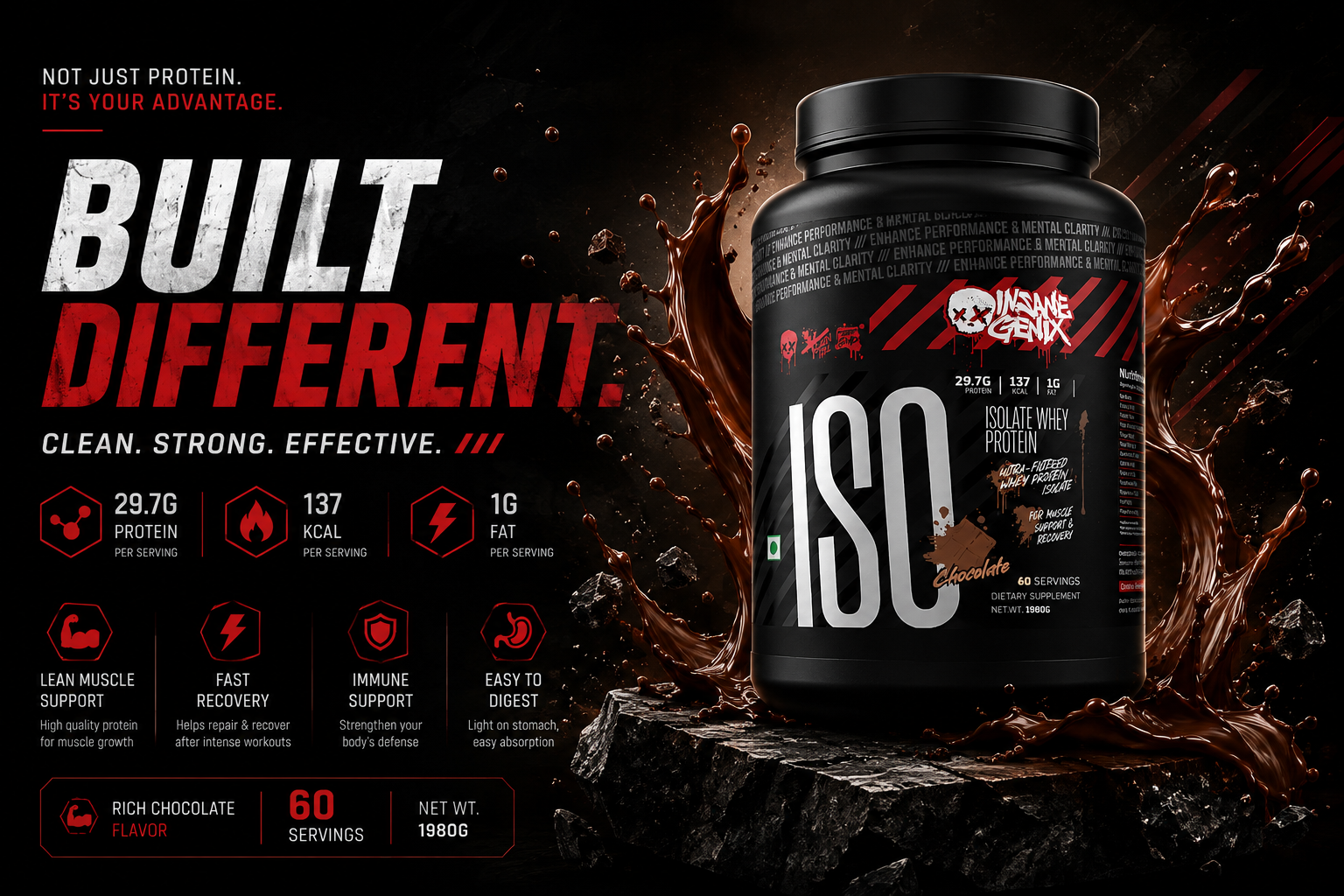
Imported" Isn't a Quality Standard. Here's What Actually Is.
The word "imported" sells a lot of protein tubs, but it rarely tells you what's actually inside. Here's a practical breakdown of what separates genuinely high-quality whey protein from clever labeling, and how InsaneGenix's ISO Isolate stacks up against that standard.
Read article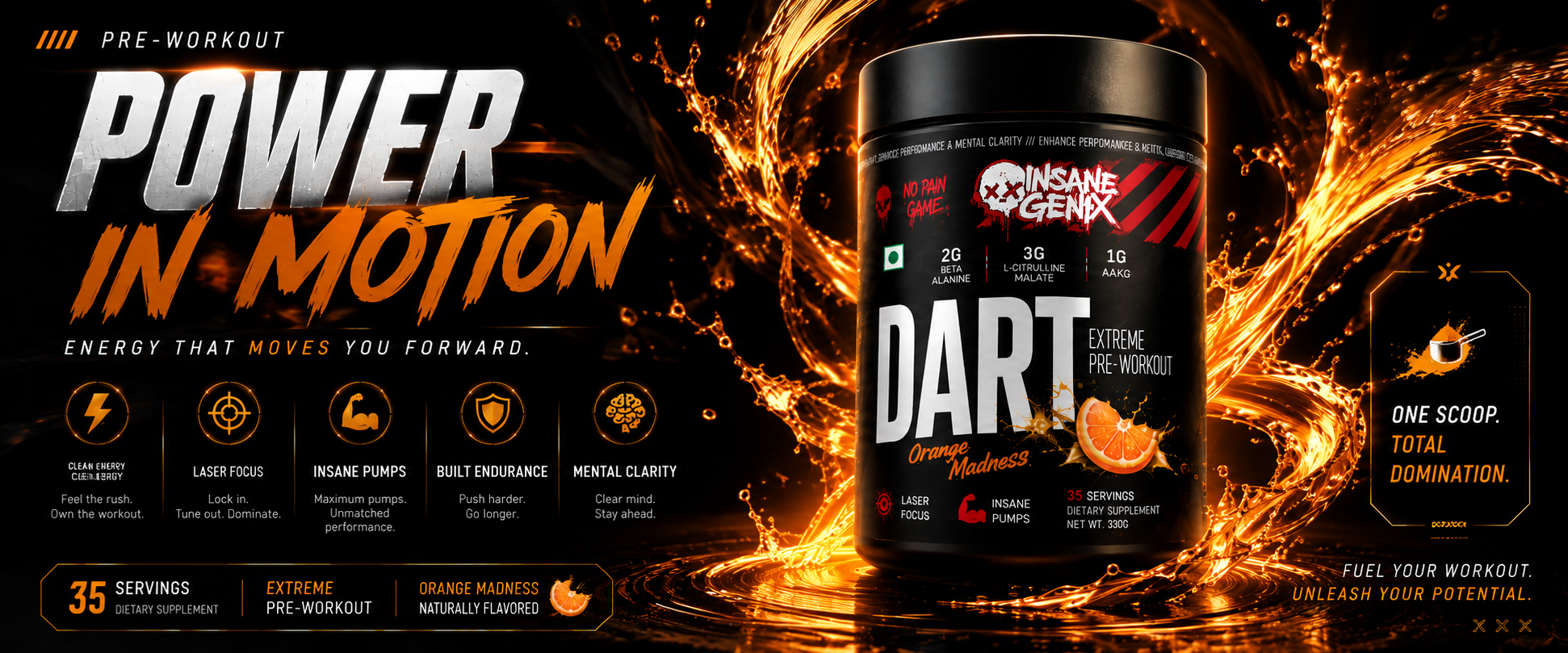
Coffee, Energy Drinks, or a Real Gym Supplement — What Actually Works?
Not every energy boost is created equal, and your gym bag probably has proof of that somewhere in the back. Here's a straight-talking look at what actually fuels a good workout, and why InsaneGenix's DART Extreme keeps showing up in gym bags across serious lifters.
Read article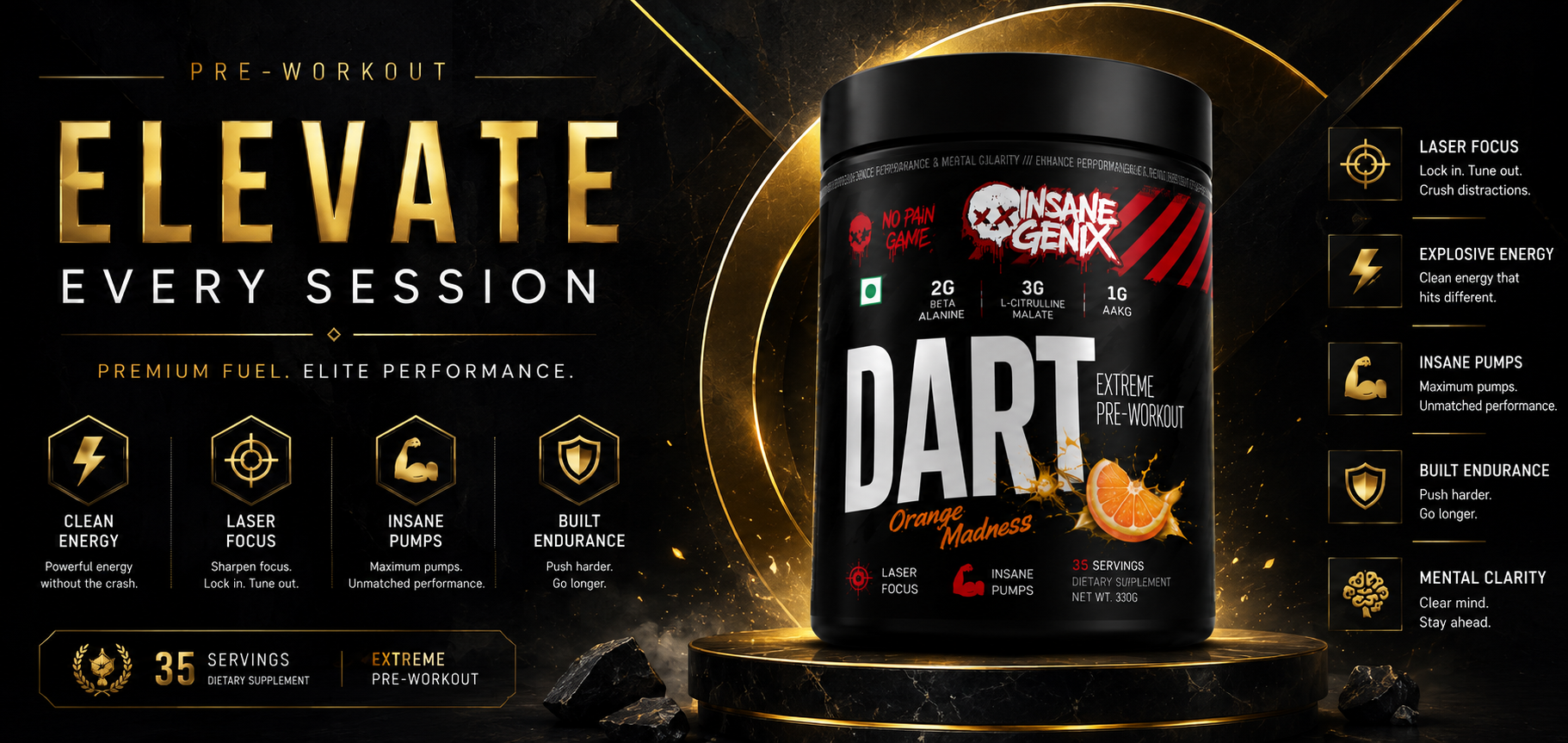
What Should You Actually Take Before Hitting the Gym?
What you take before stepping into the gym can quietly decide how the next hour plays out. Here's a no-fluff look at pre workout timing, ingredients, and why InsaneGenix's DART Extreme fits neatly into a daily gym routine.
Read article